Spain Beyond the Stereotypes

Spain is one of the most visited countries in the world, and yet one of the most misunderstood. For many international travelers, the image of Spain is built around a familiar set of ideas: sunshine, paella, flamenco, long lunches, and afternoon naps. These elements certainly exist, but together they offer only a simplified snapshot of a country whose cultural, gastronomic, and historical diversity goes far beyond its clichés.

For first-time visitors, traveling through Spain often brings an unexpected realization. The country they encounter feels more complex, more nuanced, and more varied than the one they imagined before arriving. Understanding this diversity does more than enrich a trip—it reshapes the entire experience.

One of the most common misconceptions revolves around food. Many travelers assume that paella is Spain’s national dish, eaten regularly across the country. In reality, paella is a regional specialty, deeply rooted in the traditions of the Valencia region, with specific ingredients, techniques, and customs. In much of Spain, paella is not part of everyday life at all. Each region has developed its own culinary identity, shaped by geography, climate, and history. Northern Spain centers on Atlantic seafood and seasonal stews; the interior favors hearty dishes and slow-cooked meats; the south blends Mediterranean flavors with rural and historical influences. Speaking of a single “Spanish cuisine” overlooks one of Europe’s most diverse food landscapes.

Flamenco is another powerful symbol that is often misunderstood. Internationally, it is sometimes perceived as the universal expression of Spanish culture. In truth, flamenco belongs to a very specific cultural and geographic context, emerging primarily in southern Spain, particularly Andalusia. It grew out of a complex mix of influences and traditions that are not shared across the entire country. Elsewhere in Spain, cultural expression takes very different forms—through local music, festivals, and traditions that rarely gain the same global visibility. Spain does not speak with one cultural voice, but with many.

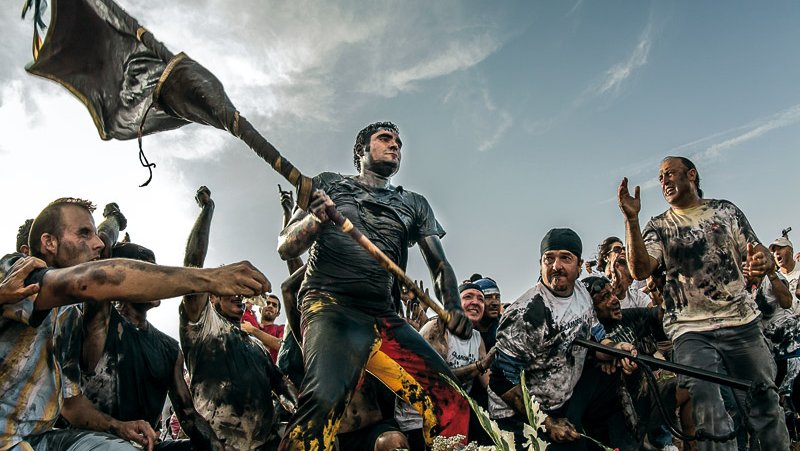
Paso del Fuego, San Pedro Manrique (Soria)

One of the most persistent misconceptions concerns food. Many travelers assume that paella is Spain’s national dish and that it is eaten regularly throughout the country. In reality, paella is a regional specialty, deeply rooted in the traditions of the Valencia region. Its ingredients, preparation, and even the way it is eaten follow specific customs that are not replicated elsewhere. In much of Spain, paella is not part of everyday cuisine at all. Instead, each region has developed its own culinary identity, shaped by geography, climate, and history. Northern Spain revolves around Atlantic seafood and seasonal stews; the interior favors hearty dishes and slow-cooked meats; the south blends Mediterranean, rural, and historical influences. To speak of a single “Spanish cuisine” is to overlook one of Europe’s most diverse food cultures.

La Vijanera, Cantabria

The idea of Spain as a destination defined almost entirely by sun and beaches is equally limiting. While the country does enjoy an extraordinary coastline, this image overlooks its remarkable geographical diversity. Spain is home to green Atlantic landscapes in the north, wide plateaus and historic cities in the interior, fertile valleys and arid zones in the south, and mountain ranges that shape local climates and ways of life. Much of Spain’s cultural and historical heritage lies far from the coast, in inland regions that reward travelers willing to look beyond the obvious.

Even the famous siesta, so deeply embedded in popular imagination, is often misunderstood. While it has historical roots, daily life in modern Spain closely resembles that of other European countries, particularly in urban areas. Offices operate full working days, cities remain active throughout the afternoon, and contemporary rhythms dominate. Visitors expecting a country that pauses every day at midday often discover a society that is dynamic, professional, and fully engaged with the present.
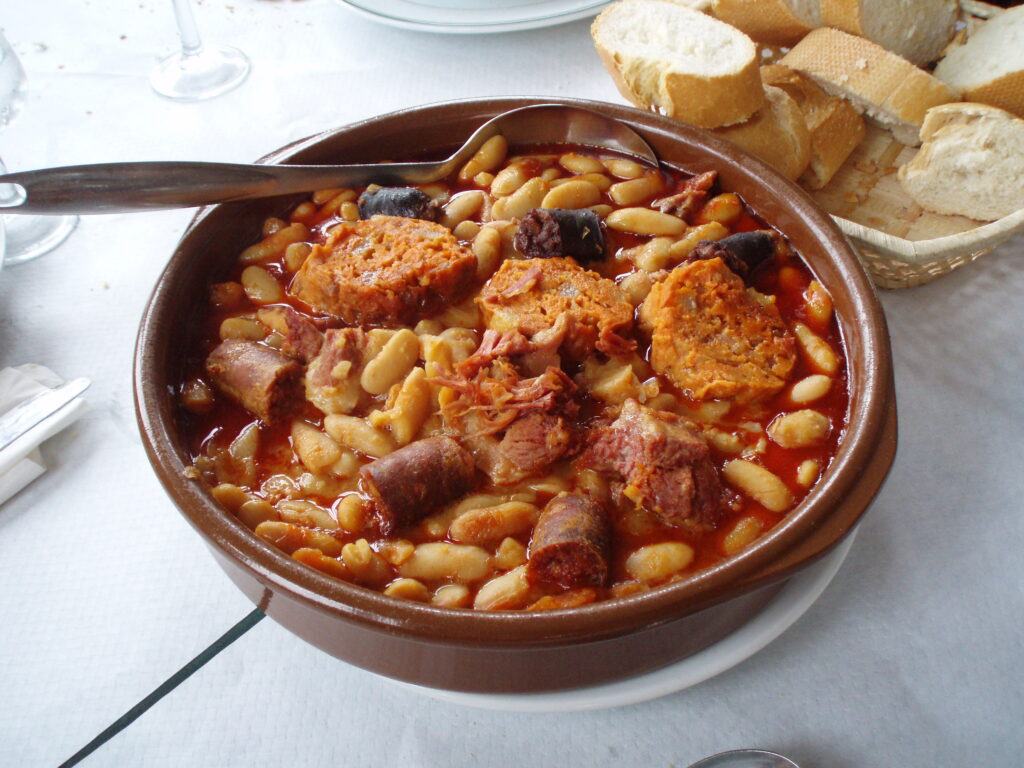
Fabada Asturiana

Perhaps the most important misconception of all is the belief that Spain is culturally homogeneous. In reality, Spain is a country of strong regional identities, distinct traditions, and, in some areas, different languages. Climate, architecture, food, and social customs can vary dramatically from one region to another. Traveling through Spain feels less like moving through a single national narrative and more like exploring a mosaic of cultures that coexist within the same borders.

This diversity is especially visible in Spanish gastronomy today. Far from being simple or unsophisticated, Spanish cuisine is among the most influential in the world. From avant-garde fine dining to deeply rooted regional cooking, it reflects a culinary philosophy based on respect for ingredients, seasonality, and technique. Sophistication here often lies not in complexity, but in precision and quality. Many travelers arrive with modest expectations and leave impressed by the depth and refinement they encounter.

Cascamorras. Guadix y Baza

For international visitors, recognizing these realities changes the way Spain is experienced. Letting go of clichés allows for more thoughtful, more balanced journeys, ones that move beyond surface-level attractions and toward genuine cultural understanding. Realizing that Spain is not defined by a single dish, a single dance, or a single lifestyle opens the door to a far richer travel experience.

Self-criticism of a way of being that does not correspond

It is also worth acknowledging that these misconceptions are not always created from the outside. In some cases, Spaniards themselves have played a role in reinforcing these simplified images, often unintentionally. Tourism promotion, popular imagery, and even everyday storytelling have sometimes favored what is most recognizable over what is most accurate. This is not about rejecting traditions or denying well-loved symbols, but about placing them in proper context. Spain does not lose anything by explaining itself more clearly—on the contrary. By embracing nuance and diversity, locals and visitors alike can engage in a more honest cultural exchange, one that moves beyond easy labels and allows Spain to be understood not as a stereotype, but as the richly layered country it truly is.

The 5 Best Luxury Hotels in Madrid for 2026

Spain’s capital is a city that effortlessly blends royal history, vibrant culture, and contemporary sophistication. Madrid is home to world-renowned museums, elegant boulevards, Michelin-starred restaurants, and a lifestyle that appeals strongly to American travelers seeking both authenticity and comfort. Over the past decade, the city has also positioned itself as one of Europe’s most exciting destinations for luxury travel, thanks to a new generation of high-end hotels that redefine hospitality.

From historic palaces transformed into five-star icons to sleek urban retreats in the heart of the city, Madrid offers exceptional accommodations for discerning travelers. Below, we explore the five best luxury hotels in Madrid, highlighting their location, premium services, and superior room categories.

Located next to the Prado Museum and Retiro Park, the Mandarin Oriental Ritz is one of Madrid’s most iconic luxury hotels. Originally opened in 1910, this Belle Époque landmark has been meticulously restored, combining historic grandeur with modern refinement.

Services and amenities include a luxury spa, indoor swimming pool, fitness center, and fine dining curated by renowned chefs. The hotel also offers personalized concierge services, ideal for private cultural visits and bespoke city experiences.

Premium accommodations range from elegant Deluxe Rooms to expansive suites overlooking the Prado. The Signature Suites stand out for their high ceilings, refined décor, and exclusive services, offering a truly aristocratic stay in the cultural heart of Madrid.

Perfectly positioned between Puerta del Sol and the luxury shopping district, the Four Seasons Hotel Madrid delivers contemporary luxury in a historic setting. The hotel occupies a collection of restored buildings, seamlessly blending classic architecture with modern design.

Guests enjoy a full-service spa, rooftop pool with panoramic views, a state-of-the-art fitness center, and one of the city’s most vibrant culinary scenes. The rooftop terrace has quickly become one of Madrid’s most exclusive social spots.

Room categories include spacious Superior Rooms and refined Premier Rooms, while the suites offer residential-style comfort. The Four Seasons Suite and Royal Suite are ideal for travelers seeking privacy, generous living space, and top-tier personalized service.

Situated on the elegant Paseo de la Castellana, Rosewood Villa Magna is synonymous with discreet luxury and refined hospitality. Following a complete renovation, the hotel has reemerged as one of Madrid’s most sophisticated addresses.

Its services include a world-class spa, wellness center, curated cultural experiences, and an impressive gastronomic offering that blends international cuisine with Spanish flavors. The hotel is especially popular with travelers seeking tranquility without sacrificing proximity to Madrid’s main attractions.

Accommodation options feature spacious Deluxe Rooms and Premier Rooms with residential comfort. The Signature Suites and Salamanca Suite provide exceptional space, elegant design, and exclusive amenities, making them perfect for extended luxury stays.

Nestled near the Royal Palace and the Opera House, this former 19th-century palace offers a unique blend of history and contemporary luxury. The Gran Meliá Palacio de los Duques is ideal for travelers who want to stay in Madrid’s most historic quarter without compromising on comfort.

The hotel features a rooftop pool, wellness area, lush private gardens, and refined dining spaces. Its RedLevel service, Gran Meliá’s premium offering, provides personalized attention, private lounges, and exclusive privileges.

Room options include elegant Premium Rooms and RedLevel Rooms, while the RedLevel Suites deliver exceptional privacy, superior comfort, and personalized concierge services—perfect for luxury-focused cultural travelers.

Modern, bold, and design-driven, The Madrid EDITION offers a fresh take on luxury hospitality. Located near the historic center and major shopping areas, this hotel attracts travelers looking for style, innovation, and a vibrant atmosphere.

The hotel boasts multiple restaurants, two outdoor pools, a wellness center, and striking interior design throughout. It is particularly appealing to younger luxury travelers and those interested in Madrid’s contemporary lifestyle.

Accommodation categories include Superior Rooms and Deluxe Rooms with sleek, minimalist aesthetics. The Loft Suites and Penthouse Suites offer expansive terraces, city views, and exclusive amenities, delivering a modern luxury experience in the heart of Madrid.

Choosing the Best Luxury Hotel in Madrid

ch of these five hotels represents a different facet of Madrid’s luxury scene—from historic elegance and cultural immersion to cutting-edge design and urban energy. Whether your priority is proximity to museums, high-end shopping, gastronomy, or privacy, Madrid offers a luxury hotel perfectly suited to your travel style.

These properties ensure exceptional service, premium accommodations, and unforgettable experiences, setting the stage for a truly memorable visit to Madrid.

What is a Luxury Travel really?

WINE TASTING

What is a Luxury Travel really?

WINE TASTING

Since we started back in 2009 to offer trips and private experiences in Andalusia, much has changed; both the profile of the traveler and trends, and of course the external circumstances of a globalized world that nothing makes us strangers and affects us.

In this journey, with its comings and goings, I have met clients who over the years have become friends. They chat via whatsapp, call me after hours to tell me why they have had problems with a client, the most improbable anecdotes that would be enough for a book, etc. One of these friends is Adriana Vilas. She is a professional in the tourism sector with a luxury travel agency located in Madrid. From the beginning, besides trusting in our way of working and how to see inbound tourism, she has become a friend over the years, where we exchange views on the industry and trends, which by circumstances are transforming the tourism landscape.

Adriana got it right, in my opinion, with what is the concept today of what is a Luxury Travel. This updated concept and under her experience (in addition to long phone and whatsapp chats) encouraged her to describe this concept.

rooftop tour

But what is luxury travel?

Defining what luxury is today is not at all simple, especially if we analyze how this concept has evolved throughout history.

Today, it is not so much about ostentation or high-end products, but rather luxury refers to experience, to something intangible.

Luxury is a concept that each person lives and feels, with a different meaning. What is or is not luxury, will depend on our experiences and our personal experience.

However, all luxury has something in common, it is perceived to be associated with an experience that has to be, above all, unique, distinctive, different, out of the ordinary, and, of course, exclusive.

There is something we can all agree on and that is that this concept of luxury is associated with other terms such as quality, excellence, differentiation and exclusivity.

Merida
Italica

Coco Chanel, stated that “luxury is a necessity that begins when necessity ends”.

With this premise, it can be said that more than changing the concept, what has occurred is a change in the perception of what luxury itself is. From being a global concept, it has become something very personal and subjective.

For us working on a concept with such personal implications and moving between such blurred definitions, organizing travel experiences based on luxury and distinction is always a challenge for us.

I know that it is not enough with what we know, with what our experience dictates, with intuition or with the story offered by the trends of the moment. We must always be one step ahead.

In the sector we find everything, since the term ostentation is still applied, but experience tells us that someone who seeks ostentation does not give value to the terms I mentioned before.

Another fundamental aspect that my friend was talking about is DISTINCTION:

“Luxury will be that feel like a local more instead of feeling like a tourist. It will be to travel without worrying about anything, feeling that your trip has been designed in a different way, out of the conventional and in an authentic way, with exclusivity, in private tours and experiencesthat are designed with care and attention to the smallest detail.

To turn a trip into a luxury experience, it is necessary to make an effort to touch the heartstrings, moving you to pleasurable experiences, intense, very pleasant sensations”.


And you? What is a travel luxury for you?