
Spain Beyond the Stereotypes
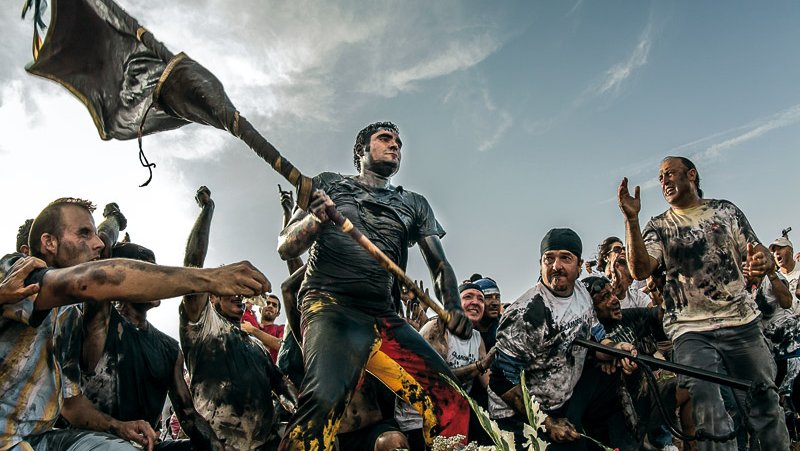
Spain is one of the most visited countries in the world, and yet one of the most misunderstood. For many international travelers, the image of Spain is built around a familiar set of ideas: sunshine, paella, flamenco, long lunches, and afternoon naps. These elements certainly exist, but together they offer only a simplified snapshot of a country whose cultural, gastronomic, and historical diversity goes far beyond its clichés.
For first-time visitors, traveling through Spain often brings an unexpected realization. The country they encounter feels more complex, more nuanced, and more varied than the one they imagined before arriving. Understanding this diversity does more than enrich a trip—it reshapes the entire experience.
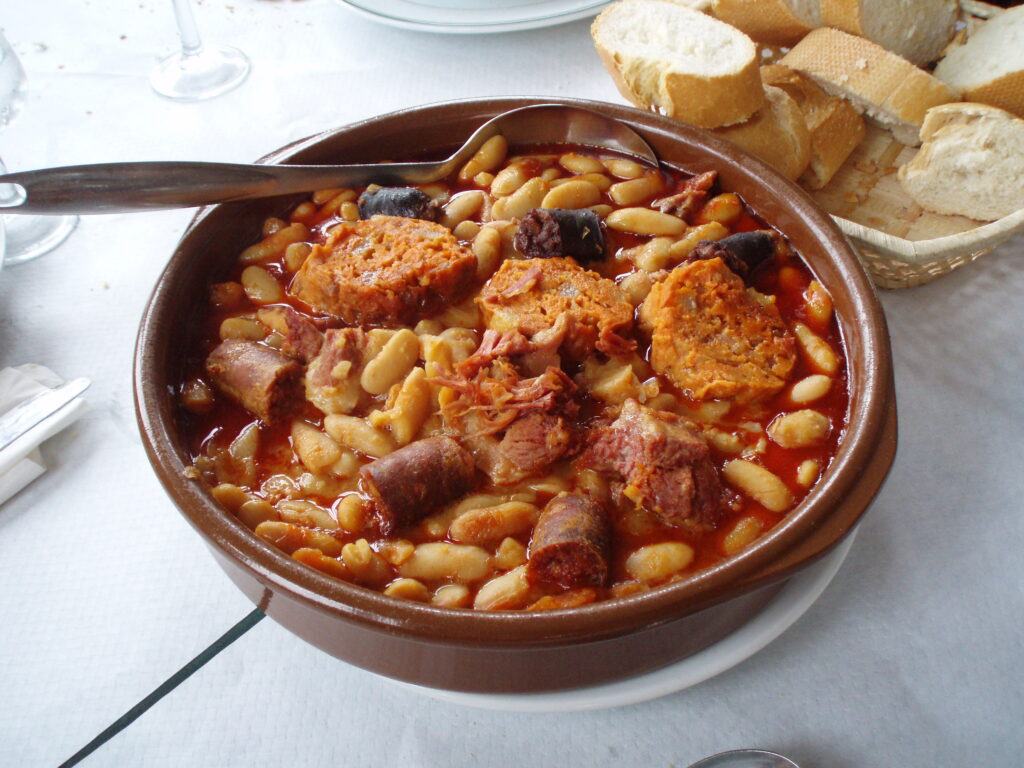
One of the most common misconceptions revolves around food. Many travelers assume that paella is Spain’s national dish, eaten regularly across the country. In reality, paella is a regional specialty, deeply rooted in the traditions of the Valencia region, with specific ingredients, techniques, and customs. In much of Spain, paella is not part of everyday life at all. Each region has developed its own culinary identity, shaped by geography, climate, and history. Northern Spain centers on Atlantic seafood and seasonal stews; the interior favors hearty dishes and slow-cooked meats; the south blends Mediterranean flavors with rural and historical influences. Speaking of a single “Spanish cuisine” overlooks one of Europe’s most diverse food landscapes.
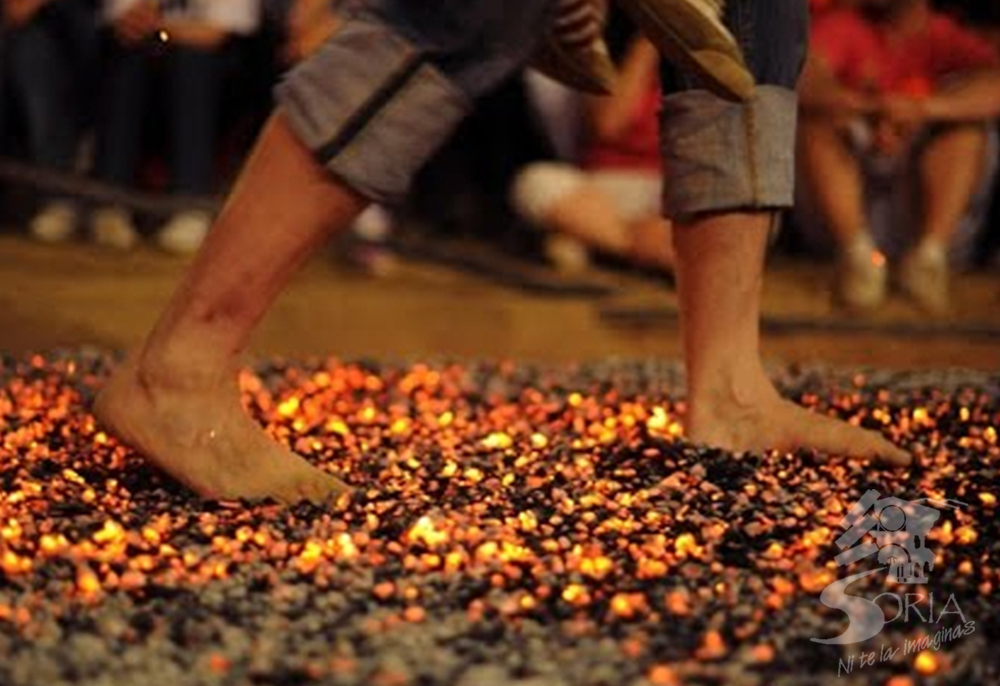
Flamenco is another powerful symbol that is often misunderstood. Internationally, it is sometimes perceived as the universal expression of Spanish culture. In truth, flamenco belongs to a very specific cultural and geographic context, emerging primarily in southern Spain, particularly Andalusia. It grew out of a complex mix of influences and traditions that are not shared across the entire country. Elsewhere in Spain, cultural expression takes very different forms—through local music, festivals, and traditions that rarely gain the same global visibility. Spain does not speak with one cultural voice, but with many.
One of the most persistent misconceptions concerns food. Many travelers assume that paella is Spain’s national dish and that it is eaten regularly throughout the country. In reality, paella is a regional specialty, deeply rooted in the traditions of the Valencia region. Its ingredients, preparation, and even the way it is eaten follow specific customs that are not replicated elsewhere. In much of Spain, paella is not part of everyday cuisine at all. Instead, each region has developed its own culinary identity, shaped by geography, climate, and history. Northern Spain revolves around Atlantic seafood and seasonal stews; the interior favors hearty dishes and slow-cooked meats; the south blends Mediterranean, rural, and historical influences. To speak of a single “Spanish cuisine” is to overlook one of Europe’s most diverse food cultures.

The idea of Spain as a destination defined almost entirely by sun and beaches is equally limiting. While the country does enjoy an extraordinary coastline, this image overlooks its remarkable geographical diversity. Spain is home to green Atlantic landscapes in the north, wide plateaus and historic cities in the interior, fertile valleys and arid zones in the south, and mountain ranges that shape local climates and ways of life. Much of Spain’s cultural and historical heritage lies far from the coast, in inland regions that reward travelers willing to look beyond the obvious.
Even the famous siesta, so deeply embedded in popular imagination, is often misunderstood. While it has historical roots, daily life in modern Spain closely resembles that of other European countries, particularly in urban areas. Offices operate full working days, cities remain active throughout the afternoon, and contemporary rhythms dominate. Visitors expecting a country that pauses every day at midday often discover a society that is dynamic, professional, and fully engaged with the present.
Perhaps the most important misconception of all is the belief that Spain is culturally homogeneous. In reality, Spain is a country of strong regional identities, distinct traditions, and, in some areas, different languages. Climate, architecture, food, and social customs can vary dramatically from one region to another. Traveling through Spain feels less like moving through a single national narrative and more like exploring a mosaic of cultures that coexist within the same borders.
This diversity is especially visible in Spanish gastronomy today. Far from being simple or unsophisticated, Spanish cuisine is among the most influential in the world. From avant-garde fine dining to deeply rooted regional cooking, it reflects a culinary philosophy based on respect for ingredients, seasonality, and technique. Sophistication here often lies not in complexity, but in precision and quality. Many travelers arrive with modest expectations and leave impressed by the depth and refinement they encounter.
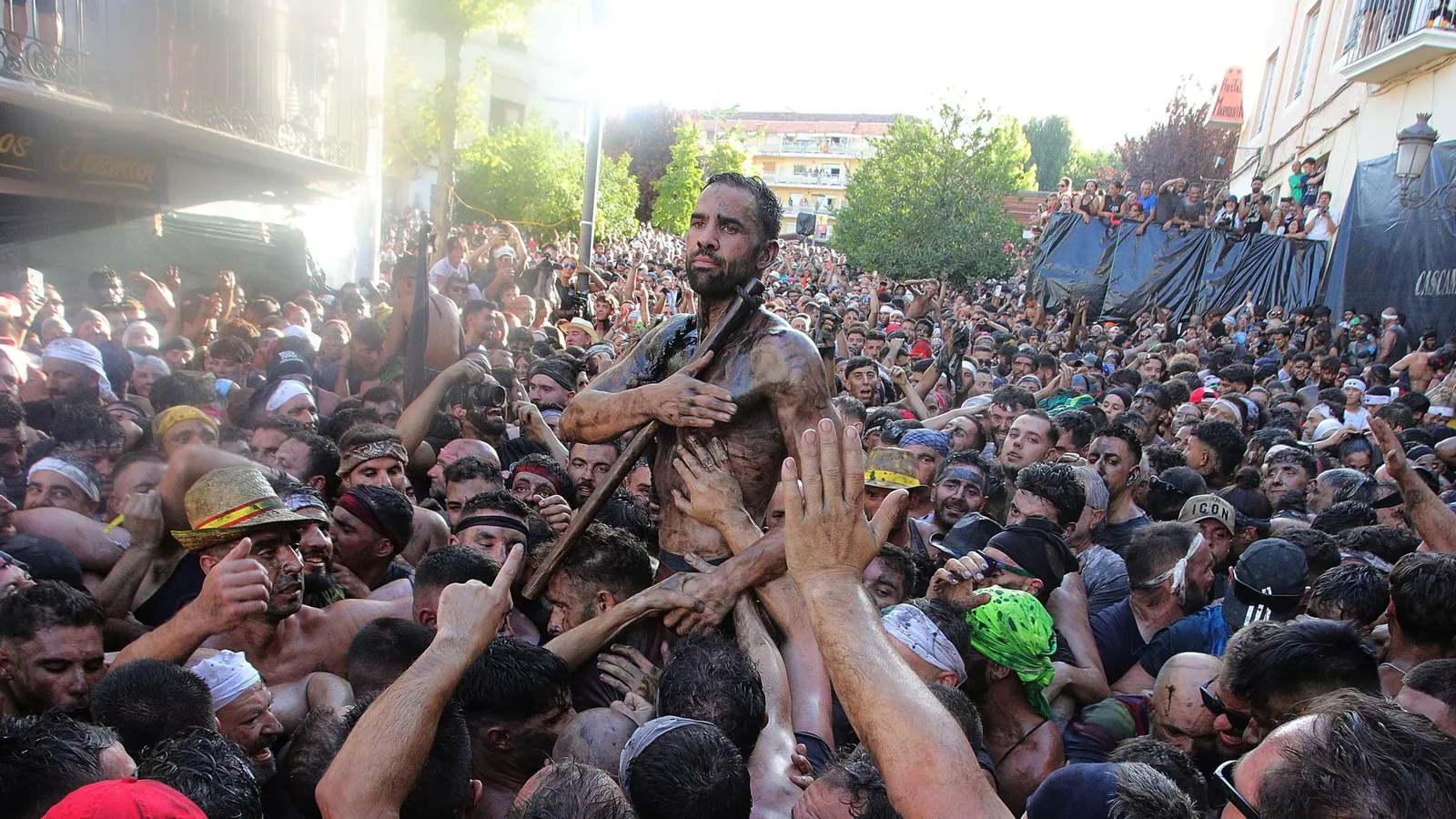
For international visitors, recognizing these realities changes the way Spain is experienced. Letting go of clichés allows for more thoughtful, more balanced journeys, ones that move beyond surface-level attractions and toward genuine cultural understanding. Realizing that Spain is not defined by a single dish, a single dance, or a single lifestyle opens the door to a far richer travel experience.
Self-criticism of a way of being that does not correspond
It is also worth acknowledging that these misconceptions are not always created from the outside. In some cases, Spaniards themselves have played a role in reinforcing these simplified images, often unintentionally. Tourism promotion, popular imagery, and even everyday storytelling have sometimes favored what is most recognizable over what is most accurate. This is not about rejecting traditions or denying well-loved symbols, but about placing them in proper context. Spain does not lose anything by explaining itself more clearly—on the contrary. By embracing nuance and diversity, locals and visitors alike can engage in a more honest cultural exchange, one that moves beyond easy labels and allows Spain to be understood not as a stereotype, but as the richly layered country it truly is.


